
How an ash wood serving tray is made
A serving tray made from natural ash using routing, careful sanding and hand finishing. This project shows how a solid wood blank becomes a unique wooden tray for snacks, cheese, fruit and table serving step by step.
In this project we show how an ash wood serving tray is made in our workshop, from an untreated wood blank to a finished, carefully sanded product.
Natural ash is used as the base material, preserving its characteristic grain, natural form and individual character. This is why every handcrafted wooden item is slightly different and making two completely identical trays is practically impossible.
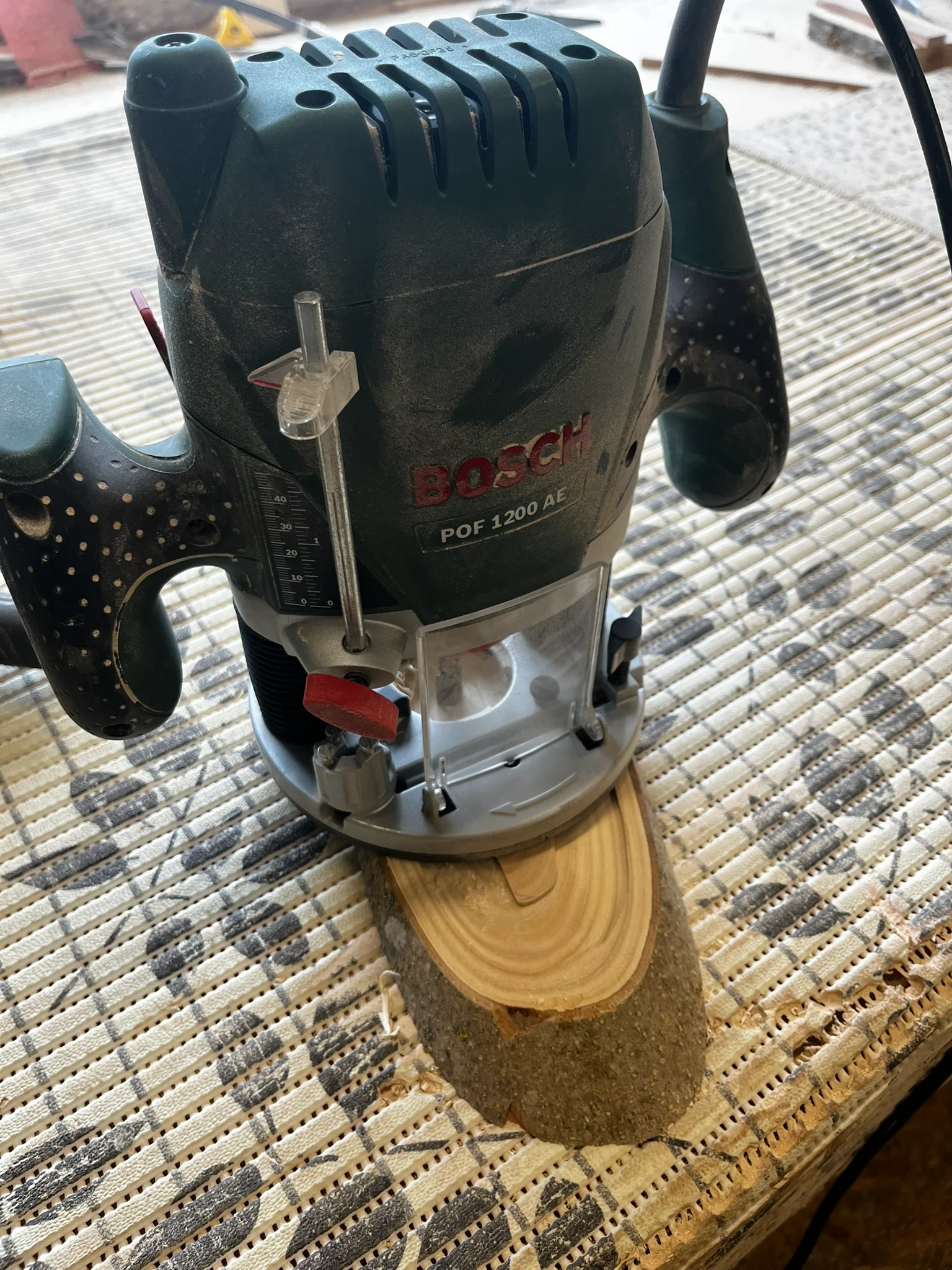
The work begins by selecting a suitable wood blank. The tray shape is then determined and the inner serving surface is gradually routed using a hand router. At this stage, particular attention is paid to keeping the edges even and retaining sufficient material thickness so that the finished product is both durable and visually attractive.
After routing comes one of the most time-consuming stages — sanding the wood. The tray surface, edges and routed recess are finished in several steps using sandpaper and small sanding tools for harder-to-reach places. This removes routing marks and produces a pleasant, smooth surface.
Particular attention is paid to the rounded section of the tray and the inner edges, because these areas largely determine how refined the final product looks after finishing.
Once the shape is fully formed and the surface sanded, the tray can be complemented with decorative engraving. Engraving gives the piece an individual appearance and also makes it suitable as an original wooden gift, a gift for the home or a practical interior item for the kitchen and living room.
The finished wooden serving tray is suitable for serving cheese, fruit, nuts, snacks, pastries and other treats. It can be used every day, when entertaining guests or as part of a festive table arrangement.
Because this is handcrafted from genuine natural wood, every product may have a slightly different tone, grain, form and small surface irregularities. These are not defects, but one of the advantages of natural wood and craftsmanship — every item is unique.
This is how a simple ash blank becomes a practical and decorative wooden serving board or tray, combining natural material, craftsmanship and individual design step by step.
Like this project?